

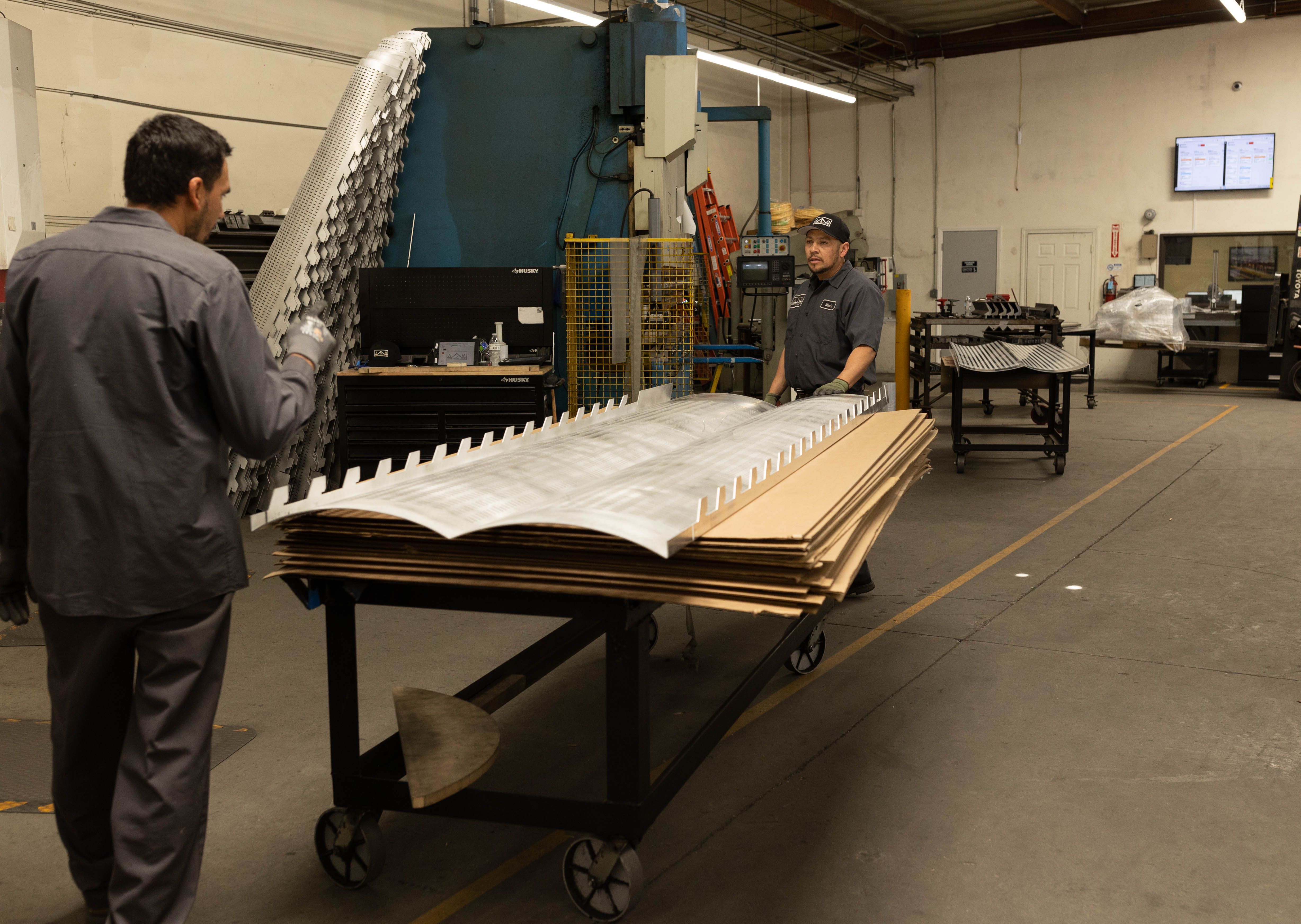
For OEM procurement teams, the Request for Quote (RFQ) process is a critical step in sourcing reliable manufacturing partners. A well-prepared RFQ helps suppliers provide accurate pricing, realistic lead times, and a clear understanding of project requirements. On the other hand, incomplete or unclear RFQs often lead to miscommunication, delays, and unexpecated costs.
For OEM procurement teams, the Request for Quote (RFQ) process is a critical step in sourcing reliable manufacturing partners. A well-prepared RFQ helps suppliers provide accurate pricing, realistic lead times, and a clear understanding of project requirements. On the other hand, incomplete or unclear RFQs often lead to miscommunication, delays, and unexpecated costs.
By following a few key best practices, procurement teams can streamline the quoting process and foster stronger relationships with fabrication partners.
Provide Complete Technical Documentation
One of the most common reasons quotes are delayed or inaccurate is incomplete documentation. Fabrication shops rely on detailed drawings and specifications to determine materials, processes, and labor requirements.
A strong RFQ package should include:
Engineering drawings with dimensions and tolerances
- CAD files when available
- Material specifications
- Surface finish requirements
- Welding or assembly instructions
- Any relevant industry standards or certifications
Providing complete documentation helps manufacturers evaluate the project quickly and produce a more accurate quote.
Clearly Define Quantities and Production Expectations
Pricing in manufacturing often depends heavily on volume. A prototype order may require different tooling, setup time, and production methods than a high-volume run.
When submitting an RFQ, procurement teams should clearly indicate:
- Prototype quantities
- Initial production volumes
- Estimated annual usage
- Long-term production forecasts
This information allows fabrication partners to determine the most efficient manufacturing approach and provide pricing that reflects the true scope of the project.
Specify Critical Tolerances and Quality Requirements
Not every dimension requires the same level of precision. When tolerances are tighter than necessary, manufacturing costs can increase significantly.
Procurement teams should work with engineering teams to identify:
- Critical dimensions that affect functionality
- Required tolerances for those features
- Inspection or testing requirements
- Industry certifications or compliance standards
Clear quality expectations allow manufacturers to focus their resources where precision matters most.
Include Target Timelines
Production schedules can vary widely depending on workload, material availability, and process complexity. Including your desired timeline helps fabrication partners evaluate whether they can meet your schedule and plan accordingly.
Helpful timeline details include:
- Target delivery date
- Prototype deadlines
- Production ramp-up expectations
- Ongoing reorder frequency
When timelines are communicated early, suppliers can provide more realistic lead times and avoid last-minute scheduling conflicts.
Identify Secondary Processes Early
Many fabricated components require additional processes beyond basic cutting or machining. These secondary processes can affect both cost and lead time.
Examples include:
- Welding
- Powder coating or finishing
- Heat treatment
- Assembly
- Packaging requirements
Including these details in the RFQ ensures that suppliers account for the full scope of work rather than revising quotes later.
Encourage Early Collaboration
Some of the most successful manufacturing partnerships begin before a quote is finalized. Engaging fabrication partners early in the process allows them to provide feedback on manufacturability and potential cost savings.
Experienced manufacturers can often suggest:
- Design adjustments that simplify fabrication
- Alternative materials that reduce cost
- Process improvements that shorten lead times
Early collaboration can help procurement teams avoid costly design revisions later in the production cycle.
Evaluate More Than Just Price
While competitive pricing is always important, selecting a fabrication partner based solely on the lowest quote can introduce long-term risk. Factors such as quality, communication, and reliability often have a greater impact on project success.
When reviewing quotes, procurement teams should consider:
- Manufacturing capabilities
- Quality control processes
- Communication responsiveness
- Lead time reliability
- Experience with similar projects
Reliable fabrication partners like Pen Manufacturing help ensure that projects stay on schedule and meet the required quality standards.
Building a More Efficient RFQ Process
A well-structured RFQ process benefits both procurement teams and manufacturing partners. By providing complete information, setting clear expectations, and encouraging early collaboration, OEMs can receive more accurate quotes and avoid costly delays.
Ultimately, the goal of the RFQ process isn’t just to secure pricing—it’s to establish a strong manufacturing partnership that supports reliable production, consistent quality, and long-term success.

Director of Operations
Jonathan Nguyen is a supply chain and operations leader with more than 22 years of experience driving procurement, vendor management, international logistics, and operational excellence across diverse industries. Throughout his career, he has developed… Read More